
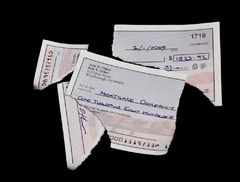
Are mortgage lenders waiting to modify loans even under Obama’s Making Home Affordable Loan Modification Plan because they’re hoping the loans will self-cure?
Historically, loans that are less than 30 days late will often “self-cure.” That’s the industry jargon term for a homeowner who figures out how to catch up on his or her mortgage payments and start payment them on time each month.
In fact, the majority of mortgages that are delinquent even up to 60 days will often self-cure. Lenders know from years of watching these mortgages self-cure that homeowners would like nothing better than to ensure their home stays out of foreclosure, so they do whatever it takes to make these payments on time.
But once a mortgage is more than 90 days delinquent, few homeowners are able to catch up on their payments. That’s why loan modifications originally targeted those homeowners who had fallen so far behind even with Obama’s Making Home Affordable Loan Modification Plan. Once they’d fallen 90 or more days behind they’d never be able to catch up without some sort of help.
But the conventional wisdom isn’t working right now – and I think a lot of that has to do with how deep and how painful this Great Recession has been, and how much home values have dropped.
If your home was worth $225,000 and you have a home loan for $200,000, but now your home is worth $125,000 and your still owe the same amount, you may think twice about taking on a second job (if you can find one) in order to earn enough cash to catch up with your mortgage payments.
After all, in some places you know it may be up to a year before the bank actually forecloses on your house and takes possession – you might think you’ll be able to stay in the home for free for all that time.
(Of course, it isn’t really for “free” but maybe this kind of thinking explains the stomach-churning drop in the delinquent mortgage cure rates.)
It also doesn’t help that the longer it takes to complete a loan modification (and the big box lenders are taking months to make something happen), the more likely someone will lose a job, get divorced, get sick or have something else happen to dampen their earning prospects. Loan modifications take time. In some cases months and months go by before borrowers get an answer from their lender. In spite of the best attempts under Obama’s Making Home Affordable Loan Modification Plan, the process is still painfully slow.
According to a new survey from Fitch Ratings, Ltd., the cure rate for prime mortgage loans has plummeted from an average of 45 percent from 2000 to 2006 to 6.6 percent. The cure rate for Alt-A loans (think “no-doc,” 100 percent, or interest-only loans) has dropped from 30.2 percent to 4.3 percent. For sub-prime loans, the cure rate has fallen from 19.2 percent to 5.3 percent.
These are dreadful numbers. And, according to Fitch, without President Obama’s Making Home Affordable mortgage loan modification programs, the cure rates would be even lower.
You can’t fix these kinds of problems with an $8,000 first time home buyer tax credit or even a $15,000 home buyer tax credit for all home buyers as some people are proposing.
What will fix the cure rate is helping people find jobs that pay them a decent wage, like building much-needed roads and bridges, or retraining them for a job of the future, perhaps in technology or a green industry.
That’s where a good chunk of the remaining stimulus money might need to go.
Find out more about delinquent mortgages and loan modifications



Leave A Comment