
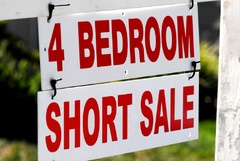
Foreclosure or Short Sale: Which Is Better And Can The Lender Get A Deficiency Judgment??
Q: I refinanced my California home in 2006, rented it out, and bought a home in Arizona. Now the mortgage balance on my California home is higher than what my house is worth and my renter is leaving.
I simply can’t afford the payments, which seem to increase each year. Is my Arizona home in jeopardy if I walk away from the California home?
A: You’re in a tough spot, one shared by hundreds of thousands of other homeowners.
The good news is that in many states, lenders can’t go after you for the deficiency – that is, the difference between what the bank gets from the sale of your home and what you owe on the debt.
While in other states, the lender may have the right to sue the borrower for the difference by obtaining a deficiency judgment, many lenders have not gone down that path.
There are just so many homes going through foreclosure and short sale that lenders are eating their losses and in most cases have not opted to chase borrowers for the deficiency.
Most states have a process that the lender must go through to get a deficiency judgment from a borrower. But the lender has already lost money as a result of the mortgage and the subsequent foreclosure of the home, and as a result many lenders are reluctant to spend more money trying to go after the borrower for the deficiency.
If you decide to sell the home through a short sale – that is where you sell the home for less than what you owe the lender and the lender agrees to the sale – the lender will have you sign some documents agreeing to the short sale. One of those documents may require you agree to repay the amount you are short. If you agree to sign that document, you may be giving the lender a right the lender otherwise wouldn’t have if the lender took the home through foreclosure. So be careful, read the documents and make sure you understand what can happen if you sign on the dotted line.
Most borrowers are refusing to agree to repay the difference owed the lender and many lenders are backing down from that requirement. Lenders would prefer to have the borrower sell the home through a valid short sale than foreclose on the home and sell the home in a foreclosure sale.
You may imagine the lenders believe they’ll get more in a foreclosure (because they’re taking so long to process short sales and seem uncooperative when dealing with short sale sellers.
But the truth is, lenders today get much more money when the borrower goes through the short sale process than through foreclosure. In some cases lenders only get 30 to 40 cents on the dollar in a foreclosure but will get 60 to 80 cents on the dollar with a successful short sale. Most lenders are finding that a short sale is much better for the lender than having to take the property over and sell the home through foreclosure.
While a lender may have the legal right to go after your assets, including your home in Arizona, for practical purposes the lender probably will not. Also, California is one of those states where lenders are limited in their ability to obtain deficiency judgments.
One last item. If you are able to sell your home in a short sale, your credit history and credit score will fare better than if you let the home go through foreclosure. Most home owners that sell their homes in a short sale are current on their loans. At that point their credit history and credit score are pretty good or as good as their credit score and credit history should be given the persons history. But their credit score and credit history will take a hit when they sell their home in a short sale. The lender will report the short sale as a negative to the credit reporting bureaus.
However, a short sale is not as bad as a foreclosure. To get to the point that a lender forecloses on a piece of real estate, a home, a person’s castle, the homeowner will have failed to have paid at least three mortgage loan payments. Thereafter, the lender commences legal action to get title to the home through foreclosure. For credit history and credit score purposes, the foreclosure process is much more damaging. For these reasons, if you have to get out from under the ownership obligations of a home, you are much better off going the route of a short sale over foreclosure.
Please talk to a real estate attorney for details.
Find more information about foreclosures and short sales.




Leave A Comment