
Equifax is one of the three credit reporting bureaus in the United States. Equifax collects and manages data about the way people use credit including what loans they have outstanding, what credit cards they have and whether they pay their bills on time. Equifax takes all of this information and puts together a credit report and the information on your credit report gets used to determine your credit score. In addition to Equifax, the other two credit reporting bureaus are TransUnion and Experian. You can get a free annual credit report at annualcreditreport.com.
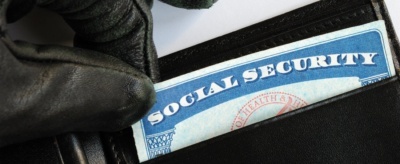
What To Do About Equifax And Your Credit
This post was updated September 20, 2017 and September 26, 2017. See below for most recent news. With all due respect to those injured by Hurricane Harvey and Hurricane Irma, it's the question of the week: What should you do about Equifax and your credit in the wake of the largest credit breech in history? [...]
Deed in Lieu of Foreclosure Affects Credit Score
A landlord wants to sell her investment property and has trouble. While the property is rented, the rent does not cover the mortgage. The landlord wants to know the effect of using a deed in lieu of foreclosure on her credit score. She called the credit bureaus but could not get a direct answer. Ilyce says that the effect of a deed in lieu of foreclosure on a credit score depends on the individual because each person has different credit factors.
Credit Repair Agency Scams Increase
Credit repair scams abound in economic times like these: A shaky economy, record levels of foreclosures, a rising number of bankruptcies, credit card delinquencies, and late mortgage payments. Repairing bad credit takes more than paying a $1,000 fee. Beware of those promising to repair your credit by getting you a new Social Security number.
How To Opt Out
Want to reduce the number of credit card offers you're getting in the mail? (That way, you can focus on all the holiday cards you're getting.) Here a...
I’m On Vacation This Week
I may post once or twice from Colorado, but for the most part, I'll be taking in the mountain air, hiking, biking and doing non-technical things. Whe...

Don’t Pay For Your Credit Report
You can get a free copy of your credit report each year. President Bush signed legislation that required each of the three major credit reporting bureaus, Experian, Equifax, and Trans-union to give you a free copy of your credit report each year. Ilyce Glink tells you how to get a free credit report and how to avoid being scammed by companies that give you a credit report copy but then charge you a fee for "credit monitoring".

How To Determine Home Value
What's my house worth? How much could we sell our home for? If you're asking questions about your home's value, here's how to figure it out. You can use web sites to determine your home's value.
Dispute Credit Report Errors
Have you checked your credit report recently? If you haven't, you might want to sooner rather than later. A new report says nearly 80 percent of all credit reports contain mistakes.
Credit Score Reporting Options
Under a law passed by the California legislature, all consumers must be given access to their credit scores by July 1, 2001. The other two credit reporting bureaus, Experian and Trans-Union, have said they will make available to consumers their own credit scores, which are not based on the FICO formula created by Fair, Isaac. Giving consumers access to their credit score, a number that lenders frequently said was "too complicated" for consumers to understand, represents a major breakthrough.